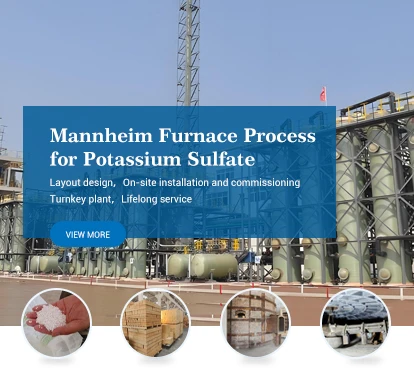

mannheim furnace
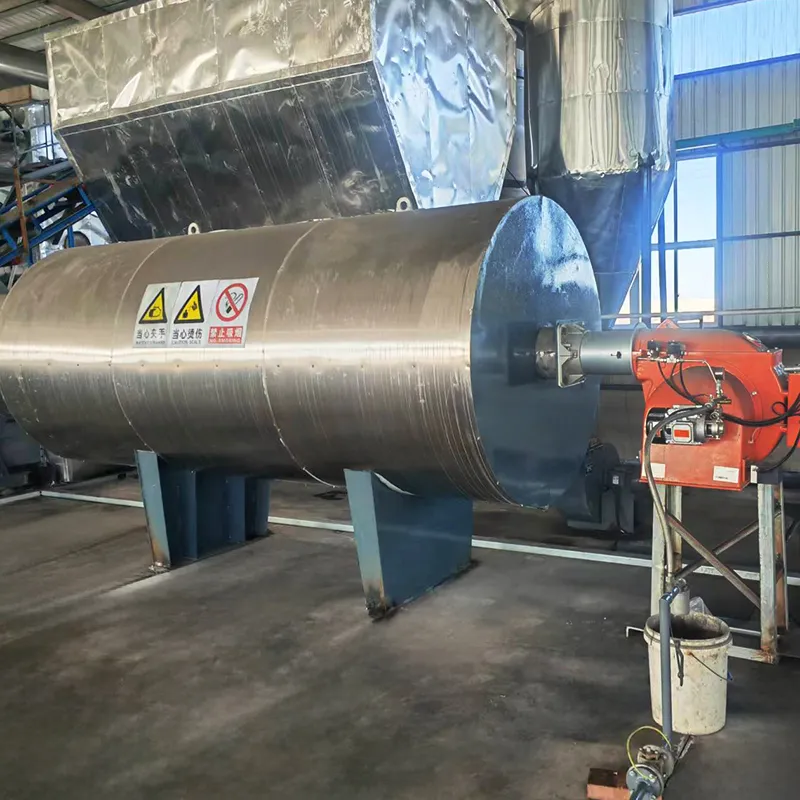
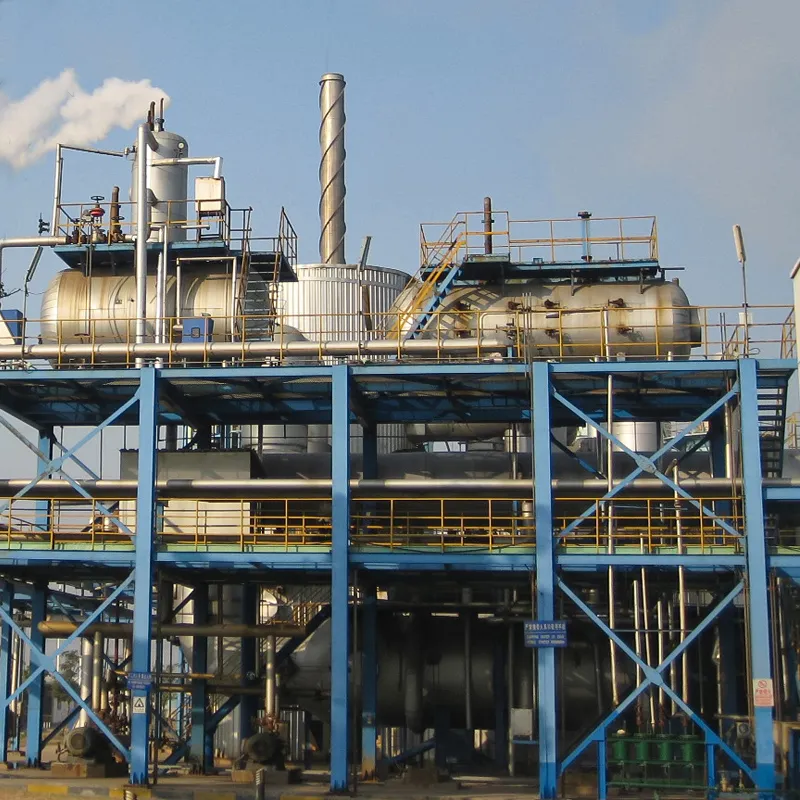
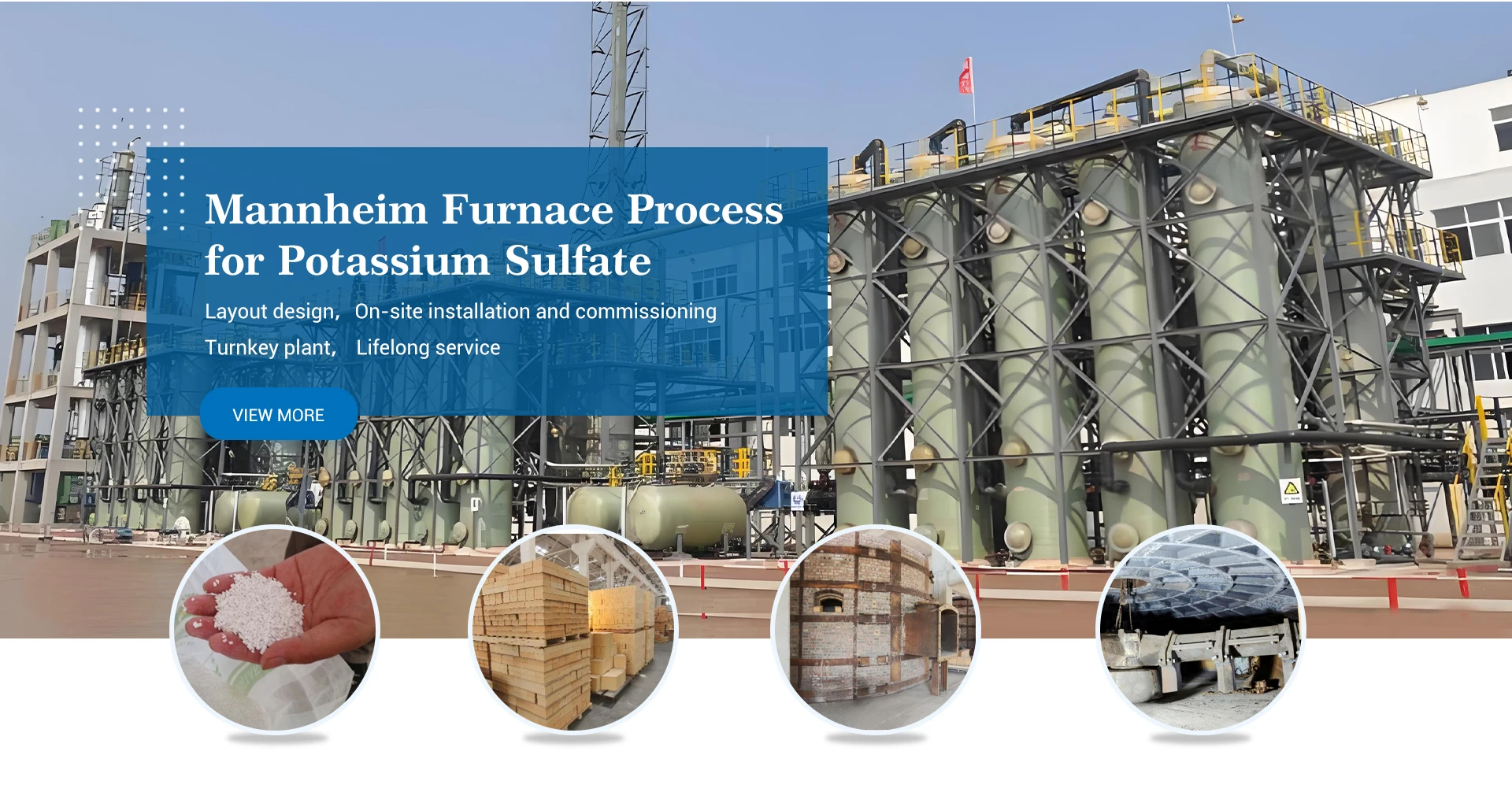
Mannheim Furnace ,as a crucial piece of equipment in the early development of the sulfuric acid industry, its history can be traced back to the late 18th century. It uses high-temperature reaction to react sodium chloride with sulfate to generate sodium sulfate and hydrogen chloride gas, providing a basis for further production of sulfuric acid. Despite the rapid development of technology, Mannheim Furnace and its derivative technologies still play an important role in certain specific industrial fields. This article will explore the working principle, advantages, and inevitable limitations of Mannheim furnace design . In a high-temperature resistant reactor, typically a brick structure, sodium chloride and sulfuric acid are added By external heating, usually coal or heavy oil combustion, the temperature inside the furnace rises enough to drive the reaction. The generated hydrogen chloride gas is collected, cooled and absorbed to produce hydrochloric acid. The remaining sodium sulfate is used as a byproduct or further processed into other chemicals. The advantage of the Mannheim Furnace lies in its relatively simple and economical operating mode Compared with more complex catalytic oxidation methods, Mannheim furnace design has lower equipment costs and relatively easy to operate. In the early days without advanced technology, this was undoubtedly a key breakthrough in industrial scale production of sulfuric acid. In addition, the raw materials used in Mannheim Furnace are relatively inexpensive and easy to obtain, further reducing production costs and making it dominant in the early stages of the sulfuric acid industry. The limitations of Mannheim Furnace are also evident Firstly, the reaction needs to be carried out at high temperatures, which means high energy consumption, increased production costs, and a greater environmental impact. The exhaust emissions generated by combustion can cause pollution to the atmosphere. Secondly, a large amount of by-products will be generated during the reaction process, such as sodium sulfate. Although it can be used as other chemical raw materials, if it cannot be effectively utilized, it will cause resource waste and environmental pollution. Furthermore, the reaction efficiency of Mannheim Furnace is relatively low, resulting in low utilization of raw materials and further increasing production costs. With the advancement of technology, especially the development of catalytic oxidation, the competitiveness of Mannheim Furnace is gradually weakening The catalytic oxidation method uses vanadium catalyst to oxidize sulfur dioxide to sulfur trioxide at a lower temperature, and then absorbs it with water to generate sulfuric acid. This method has higher reaction efficiency, lower energy consumption, and produces fewer by-products, with less impact on the environment. Therefore, in the modern sulfuric acid industry, catalytic oxidation has replaced Mannheim Furnace as the mainstream production process. In summary, Mannheim Furnace, as an important milestone in the development history of the sulfuric acid industry, its contribution cannot be ignored. It promoted the early development of the sulfuric acid industry with its simple principles and economic operation mode. However, due to its limitations such as high energy consumption, low efficiency, and high pollution, it is gradually being replaced by more advanced technologies in modern industry. However, in certain specific fields, such as the production of special specifications of sulfates or hydrochloric acid, Mannheim Furnace and its derivative technologies still have certain application value. The research and improvement of Mannheim Furnace can provide valuable reference for us to understand the development process of the chemical industry, and inspire us to continuously explore and innovate in seeking more efficient and environmentally friendly production methods. Mannheim Furnace FAQs What is Mannheim Furnace? Answer: Mannheim Furnace is an industrial reactor used for the production of potassium sulfate (K ₂ SO ₄), which is produced through the double decomposition reaction of potassium chloride (KCl) and concentrated sulfuric acid (H ₂ SO ₄) at high temperatures. The reaction equation is: \[ 2KCl + H_2SO_4 \rightarrow K_2SO_4 + 2HCl \uparrow \] The byproduct of the reaction is hydrogen chloride gas (HCl), which can be recovered for the preparation of hydrochloric acid or other chemical applications. What is the core structure and working principle of Mannheim Furnace? Answer: Structure: The furnace body is usually made of refractory bricks, and acid resistant bricks are laid at the bottom of the reaction chamber, equipped with mixing devices and heating systems (gas or electric heating). Principle: Mix potassium chloride with concentrated sulfuric acid, stir the reaction at 500-600 ° C, precipitate potassium sulfate crystals, and recover hydrogen chloride gas through condensation. What are the advantages and disadvantages of the Mannheim process for producing potassium sulfate? advantage: The raw materials are readily available (potassium chloride and sulfuric acid); The by-product hydrogen chloride is recyclable and environmentally friendly; The product has high purity of potassium sulfate (≥ 50% K ₂ O) and is suitable for chlorine free crops such as tobacco and citrus. Disadvantages: High energy consumption, requiring continuous heating; The equipment has strong corrosiveness and high maintenance costs; The reaction conditions are harsh (high temperature, strong acid). What are the application areas of Mannheim Furnace? Answer: Agriculture: producing chlorine free potassium fertilizer (potassium sulfate) for cash crops; Chemical industry: by-product hydrochloric acid is used for water treatment, metal processing, etc; Environmental protection: Some processes can treat potassium containing waste and achieve resource utilization. What is the difference between Mannheim process and other potassium sulfate production processes (such as Hargreaves process)? Answer: Mannheim process: direct use of concentrated sulfuric acid, high reaction temperature, by-product HCl; Hargreaves method: using sulfur dioxide (SO ₂), oxygen (O ₂), and water vapor to react with potassium chloride, producing hydrochloric acid as a byproduct with lower energy consumption, but with more complex equipment. The Mannheim process is mature and still the mainstream technology, especially suitable for large fertilizer enterprises.

-
 Product CustomizationWe offer tailored solutions to customize product sizes, shapes, and packaging according to your specific requirements, ensuring the perfect fit for your needs.
 -
 Quality ManufacturingWith state-of-the-art facilities and ISO CE and RoHS certifications, we guarantee top-quality production, maintaining high standards throughout every stage.
 -
 Technical SupportWe provide expert technical support, including design modifications, drawing adjustments, and remote guidance to optimize equipment performance.
 -
 24/7 Online SupportWe provide round-the-clock online assistance, ensuring prompt responses to your inquiries and addressing any concerns to keep your operations smooth.